What is an A19 Bulb?
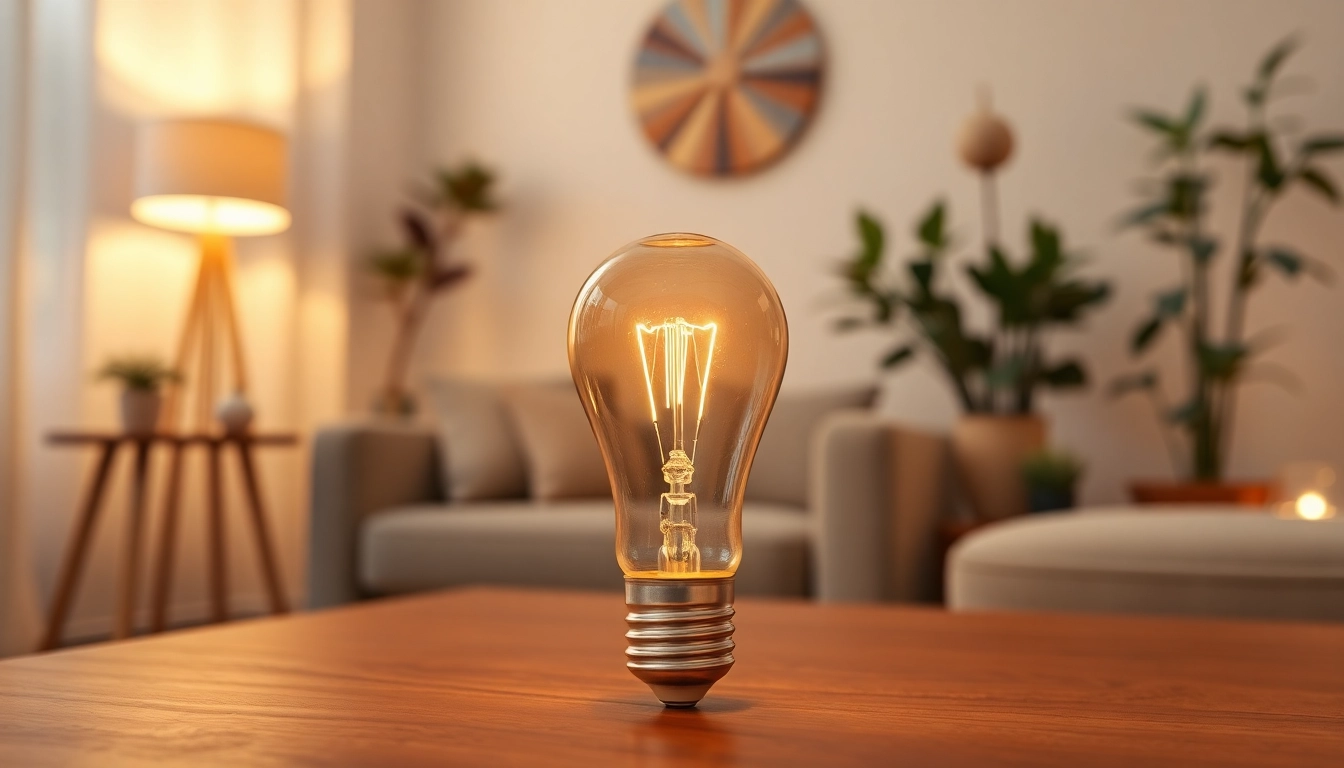
The A19 bulb is a familiar sight in households and office spaces, recognized for its classic pear shape. This type of bulb offers a balance between functionality and aesthetic appeal, making it a favored option for a multitude of lighting applications. As you will explore, the charm of an what is an a19 bulb goes beyond mere appearance, diving into specifications and characteristics crucial for understanding its role in modern lighting solutions.
Defining the A19 Bulb Type
The designation “A19” refers to the shape and dimensions of the bulb. The “A” indicates an arbitrary shape, specifically the traditional incandescent bulb design, while the “19” denotes the diameter in eighths of an inch, meaning the A19 bulb has a diameter of 2.375 inches (or 60.3 mm). This standard shape makes it compatible with a wide range of fixtures, from table lamps to ceiling lights, exemplifying versatility across different environments.
Key Characteristics and Specifications
A19 bulbs come in a variety of specifications that can impact their performance and suitability for certain applications:
- Wattage: A19 bulbs traditionally range between 40 to 100 watts for incandescent options, whereas LED versions consume significantly less power (typically 8 to 14 watts) for equivalent brightness.
- Lumens: The brightness of A19 bulbs can range from about 450 lumens for a 40-watt equivalent to over 1600 lumens for a 100-watt equivalent. Understanding lumens helps determine how much light you need for your space.
- Color Temperature: A19 bulbs are available in various color temperatures. Common ranges include warm white (2700K), neutral white (3500K), and cool white (5000K). The choice of color temperature can affect the mood and ambiance of an area.
- Lifespan: While traditional incandescent A19 bulbs last about 1,000 hours, LED versions can exceed 15,000 hours, greatly reducing the frequency of replacements.
Common Uses in Home and Office
A19 bulbs shine in their adaptability, making them a popular choice for several applications:
- Living Spaces: In homes, A19 bulbs can create cozy atmospheres when placed in lamps, overhead fixtures, or wall sconces.
- Working Environments: In offices, A19 bulbs often provide sufficient brightness and comfort, helping reduce eye strain and increase productivity.
- Decorative Lighting: A19 bulbs can also be used in decorative fixtures, chandeliers, and string lights, catering to various tastes and design themes.
How A19 Bulbs Compare to Other Bulb Types
Understanding how A19 bulbs stack up against other bulb types helps consumers make informed choices. Below, we compare the A19 bulb with two other prevalent types: A15 and A21.
Comparing A19 to A15 and A21 Bulbs
The A15 and A21 bulbs, much like the A19, share similar characteristics but differ in size and functionality:
- A15 Bulbs: These bulbs are smaller, with a diameter of 1.875 inches (or 48 mm). They are commonly used in appliances like refrigerators, microwaves, or small fixtures where space is limited. They generally have lower wattages, making them suitable for specific applications.
- A21 Bulbs: Conversely, A21 bulbs have a larger diameter of 2.625 inches (or 66.7 mm), offering greater light output—typically around 1600 lumens or more. These bulbs are ideal for larger spaces requiring enhanced brightness, such as commercial settings or high-ceiling environments.
Energy Efficiency of A19 Bulbs
A significant advantage of A19 bulbs, especially when considering LED options, lies in their energy efficiency. Traditional incandescent A19 bulbs consume more electricity and have shorter lifespans compared to their LED counterparts:
- Incandescent: Typically, incandescent A19 bulbs convert only about 10% of their energy into visible light, while the rest is wasted as heat. With a lifespan of around 1,000 hours, the total energy consumption adds up over time.
- LED A19: On the other hand, LED A19 bulbs can produce the same level of brightness with significantly lower wattage (8-14 watts) and a lifespan of over 15,000 hours, leading to reduced electricity bills and lower carbon footprints.
Light Output and Color Temperature
When selecting an A19 bulb, understanding light output and color temperature is pivotal. Light output is measured in lumens, and choosing the right amount can enhance your space effectively:
- Brightness: For intimate settings, lower lumens (around 400-800) create a warm and cozy atmosphere. For workspaces, higher lumens (1000-1600) provide the clarity needed for productivity.
- Color Temperature: The color temperatures available in A19 bulbs influence the mood of a space. Warmer tones (around 2700K) emulate the sun’s setting light, creating comfort, while cooler tones (5000K+) enhance alertness and are ideal for work-focused environments.
Choosing the Right A19 Bulb for Your Needs
Selecting the appropriate A19 bulb involves understanding your specific requirements regarding light quality, energy consumption, and application. Below, we’ll decode some key elements to consider.
Decoding Wattage and Lumens
Determining the right wattage and lumens involves assessing your space and desired brightness levels. Remember, higher wattage does not always equate to better energy efficiency, especially between incandescent and LED options:
- Assess Your Needs: For rooms with varying lighting needs, consider adjustable fixtures or bulbs to tailor the light output. For standalone lamps, choose a wattage that matches the lamp’s design and size.
- Use a Lumens Reference: A rule of thumb for A19 bulbs is that 800 to 1200 lumens is suitable for general room lighting. Use less lumens for accent lighting and more for task-oriented spaces.
Selecting Color Temperature
Color temperature can dramatically affect not only aesthetics but also functionality. Here are a few scenarios to consider:
- Warm Light (2700K-3000K): Ideal for living rooms, bedrooms, and areas where relaxation is a priority.
- Neutral Light (3500K-4100K): Great for kitchens, bathrooms, and general-purpose lighting.
- Cool Light (5000K-6500K): Suitable for display areas, offices, and task-oriented environments where alertness is essential.
Best Brands for A19 Bulbs
While refraining from brand recommendations, it’s notable that well-established brands offer a broad range of energy-efficient A19 bulbs, often featuring advanced technologies. When choosing a brand, consider:
- Customer reviews and feedback regarding longevity and energy savings.
- Suitability for your specific fixture and environment to ensure compatibility.
- Warranty options, as reliable brands often back their products with robust guarantees.
Installation and Maintenance of A19 Bulbs
Proper installation and maintenance can enhance A19 bulbs’ lifespan and performance. Follow the guidelines below for effortless installation and longevity.
How to Install A19 Bulbs Safely
Installing A19 bulbs can be straightforward, but safety should always come first:
- Turn Off the Power: Before installation, ensure the power to the fixture is turned off to prevent electrical accidents.
- Handle with Care: For LED bulbs, avoid touching the glass with your fingers, as oils can shorten their lifespan.
- Insert and Secure: Gently screw in the bulb until snug but not overly tight, which could damage the socket.
Maintaining Longevity and Performance
To maximize the lifespan and efficiency of your A19 bulbs:
- Avoid Frequent On-Off Switching: LED bulbs benefit from longevity when installed in fixtures where they can remain on rather than frequently being switched off.
- Keep Fixtures Clean: Regularly dusting light fixtures helps maintain brightness and improves the overall aesthetics of your space.
- Check Compatibility: Ensure that your dimmer switches (if using) are compatible with the A19 bulbs, particularly LEDs, as not all dimmers work well with modern energy-efficient bulbs.
Troubleshooting Common Issues
While A19 bulbs are generally reliable, occasionally, you might encounter issues:
- Flickering Lights: This may be caused by a loose connection; check the bulb’s seating in the socket.
- Burned Out Bulbs: If a bulb burns out quickly, it might be a compatibility issue or quality defect; consider switching brands.
- Low Light Output: Ensure that wattage ratings are appropriate for your fixture and that compatibility with dimmer switches (if applicable) is confirmed.
Frequently Asked Questions About A19 Bulbs
What is an A19 bulb versus other formats?
The A19 bulb refers to its shape and size (2.375 inches in diameter) and is distinguishable from smaller or larger options such as A15 (1.875 inches) and A21 (2.625 inches), which serve different applications.
Can I use an A19 bulb in a dimmer?
Yes, A19 bulbs can be used in dimmer fixtures, but ensure that the specific bulb is compatible with dimmers, especially LED versions, as older dimmers may not work well with them.
What wattage is best for A19 bulbs?
The best wattage depends on the application; for general room lighting, look for A19 bulbs rated around 800-1200 lumens, translating to approximately 10-16 watts for LED offerings.
How long does an A19 bulb last?
While traditional incandescent A19 bulbs last about 1,000 hours, LED A19 bulbs can provide a lifespan of over 15,000 hours, making them a more economical option in the long run.
Are A19 bulbs energy-efficient?
Yes, particularly LED A19 options, which consume significantly less power while providing the same or greater light output than incandescent counterparts, contributing to lower energy bills.