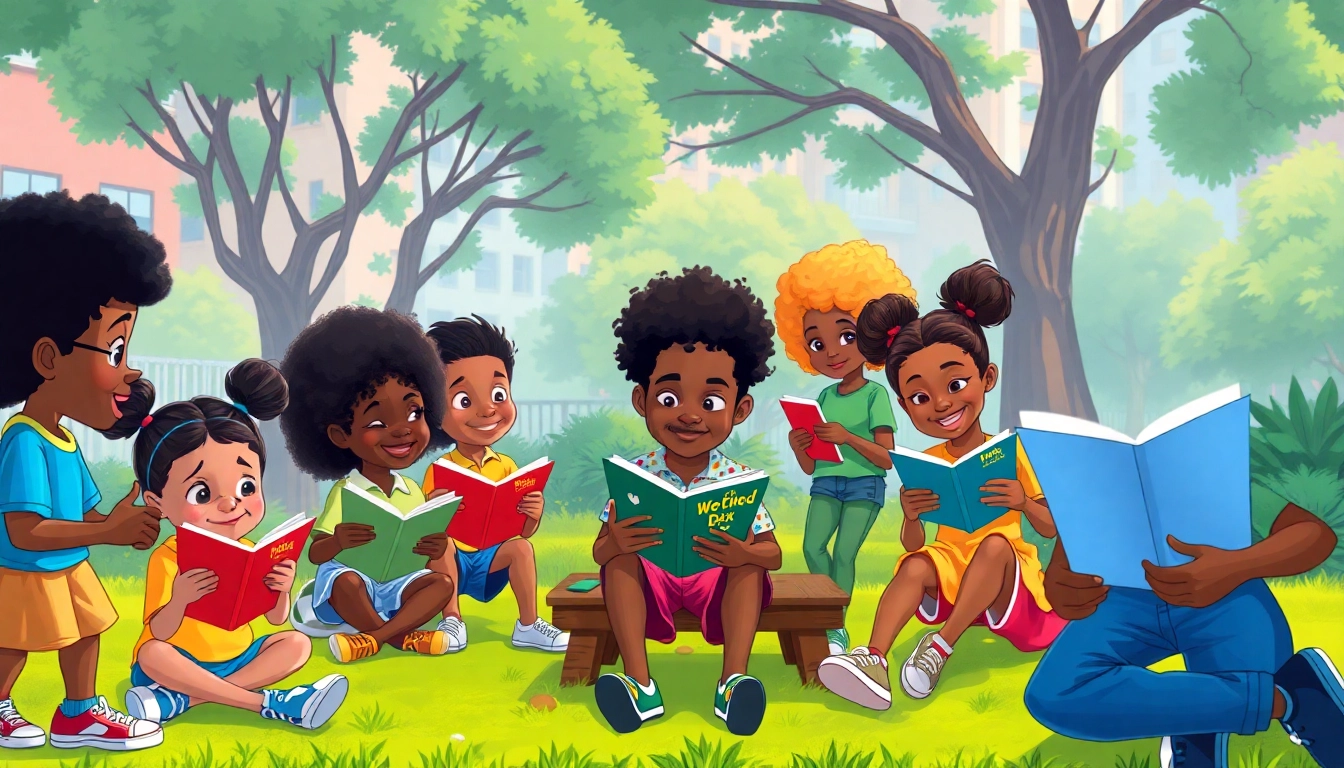
Understanding the Rich History of African American Cartoons
The landscape of animation has been enriched by the contributions of African American artists, writers, and voice actors throughout history. From early influences that shaped the genre to the dynamic characters that reflect diverse narratives, the evolution of African American cartoons provides a captivating lens through which we can understand cultural representation in media. The significance of these cartoons extends beyond mere entertainment; they function as a platform for storytelling, allowing for the exploration of identity, social issues, and heritage.
When exploring options, African American Cartoons hold a special place, showcasing creativity and resilience that resonates with audiences of all ages. This comprehensive exploration will delve into the early influences, the evolution of animation styles, and the powerful narratives that have emerged over the decades.
1. Early Influences and Iconic Characters
The history of African American cartoons can be traced back to the early 20th century, where pioneering figures laid the groundwork for future generations. One of the earliest examples is the character of “Br’er Rabbit,” based on African American folklore and popularized in Disney’s “Song of the South.” This character was a reflection of the oral storytelling tradition prominent in African American culture, illustrating themes of cleverness and survival.
Another notable figure is “Fat Albert,” created by Bill Cosby in the 1970s. The series brought together a group of urban children who faced real-life challenges while also promoting positive values. Fat Albert became an iconic character, showing the importance of friendship and community. Shows like these served as vehicles for discussing social issues such as poverty, racism, and identity within the African American community.
2. Evolution of Animation Styles
Over the decades, the animation styles employed in African American cartoons have evolved significantly. Initially characterized by traditional hand-drawn techniques, the industry has embraced computer-generated imagery (CGI) and experimental animation methods. The transition to digital animation has allowed for more dynamic storytelling and visually striking characters, enhancing the viewer’s experience.
In recent years, series such as “The Boondocks” have combined sharp humor and detailed animation to address complex cultural narratives. The series utilizes a unique, stylized animation technique that reflects its satirical content, further emphasizing the socio-political themes relevant to its audience.
3. Representation in Media and Its Impact
The representation of African Americans in animated series has profound implications for societal perceptions. Historically, representation has been fraught with stereotypes and caricatures, often misrepresenting the richness of African American culture. However, modern productions strive to create multi-dimensional characters that resonate with viewers.
Shows like “The Proud Family” not only provide a humorous look at daily life but also tackle important issues such as family dynamics, cultural heritage, and community involvement. By presenting diverse narratives, these cartoons uplift voices often marginalized in mainstream media, fostering a greater understanding and appreciation of African American experiences.
Top African American Cartoons to Stream in 2026
The landscape of African American cartoons continues to expand, offering a wealth of options for those seeking engaging and meaningful content. Here are some must-watch titles that are making waves in 2026:
1. Must-Watch Classic Series
- Fat Albert and the Cosby Kids: This classic series remains a cornerstone of African American animation, promoting values of friendship and resilience.
- The Boondocks: Known for its sharp social commentary, this series explores themes of race and identity through the eyes of two brothers.
- The Proud Family: Celebrated for its authentic representation of African American family life, it continues to resonate with new generations.
2. New Entrants with Cultural Significance
- Craig of the Creek: A contemporary series that highlights childhood adventures while showcasing a diverse cast of characters.
- Motown Magic: Combining music and animation, this series serves as a platform for cultural education and celebration.
- Doc McStuffins: This series not only provides representation but also promotes STEM education to young audiences, breaking gender stereotypes.
3. Hidden Gems You Might Have Missed
- Hair Love: An Oscar-winning short film illustrating the relationship between a father and daughter as they navigate the challenges of hairstyling.
- Happily Ever Afters: A newer series that focuses on love stories within the African American community, highlighting the complexities of modern relationships.
- Big Mouth: While not solely focused on African American experiences, it includes characters of diverse backgrounds and addresses the challenges of adolescence through a comedic lens.
The Importance of Representation in Animation
The significance of representation in animation cannot be overstated. It shapes how audiences perceive themselves and others, influencing cultural narratives and social attitudes.
1. Breaking Stereotypes Through Storytelling
Many African American cartoons seek to break down harmful stereotypes by presenting well-rounded characters who confront the complexities of their environments. This kind of representation encourages critical thinking among viewers, fostering an appreciation for diversity.
2. How Characters Shape Perceptions
Characters like Huey and Riley Freeman from “The Boondocks” challenge traditional notions by offering alternative perspectives on race relations. Their experiences foster discussions about identity and societal challenges, encouraging viewers to engage with difficult topics.
3. Viewer Statistics and Audience Engagement
The increased demand for diverse content is reflected in viewer statistics. Reports indicate that audiences are historically more engaged with programming that showcases authentic narratives. Streaming platforms have noted a significant rise in viewership for African American cartoons, illustrating the appetite for representation.
Critical Themes in African American Cartoons
Many African American cartoons address critical themes that resonate deeply with audiences, transcending mere entertainment.
1. Addressing Social Issues and Realities
Cartoons often serve as a mirror to society, reflecting the realities of African American life. They address challenges such as systemic inequality, cultural identity, and family dynamics, thus prompting broader conversations about these issues.
2. Celebrating Cultural Heritage
Through storytelling, music, and art, African American cartoons celebrate cultural heritage, showcasing the richness of traditions and values. This celebration fosters pride and understanding among diverse audiences.
3. Inspiring Future Generations Through Storylines
Cartoons have the power to inspire. Shows like “Doc McStuffins” encourage children to pursue careers in medicine, while “Motown Magic” instills a love for music and creativity, shaping aspirations for future generations.
The Future of African American Cartoons: Trends and Predictions
As the animation industry continues to evolve, African American cartoons are poised for a bright future marked by innovation and inclusivity.
1. Technological Innovations in Animation
The rise of new technologies, including virtual reality and augmented reality, has the potential to transform the way stories are told. These innovations could lead to more immersive experiences, allowing viewers to engage with characters and narratives on a deeper level.
2. Anticipated Releases and Series Renewals
2026 promises an array of new releases and renewals for beloved series. Fans can look forward to updated versions of classic shows and fresh narratives that continue to challenge the status quo.
3. The Role of Streaming Platforms in Accessibility
Streaming platforms have revolutionized content accessibility, enabling audiences to discover a wealth of African American cartoons. As the demand for diverse programming grows, these platforms will play a crucial role in making these stories widely available.