Understanding the Importance of Lighting Solutions
Defining Lighting Solutions
Lighting solutions encompass a diverse array of fixtures, systems, and technologies designed to provide illumination and enhance the aesthetics and functionality of any space. These solutions range from traditional incandescent and fluorescent lights to contemporary LED setups and smart automation systems. Understanding the scope of lighting solutions is essential for anyone looking to transform their home, office, or outdoor environment into a well-lit and inviting area.
The Role of Lighting in Design and Functionality
The significance of lighting in design and functionality cannot be overstated. Proper lighting can completely change the mood of a room, contributing to comfort, safety, and efficiency. Light influences how colors appear, how spaces are perceived, and can even affect productivity levels in work environments. For instance, ambient lighting creates a warm and inviting atmosphere, while task lighting focuses on specific areas where more illumination is essential, such as reading nooks or workstations.
Types of Lighting Solutions Available
There are several types of lighting solutions to consider when planning your space. These typically include:
- Ambient Lighting: Provides general illumination across a room.
- Task Lighting: Focuses on specific tasks such as reading or cooking.
- Accent Lighting: Highlights artwork or architectural features.
- Decorative Lighting: Serves as a design element, adding beauty and interest.
- Natural Lighting: Utilizes sunlight through windows, skylights, and open spaces.
Choosing the Right Lighting Solutions for Your Space
Assessing Space and Needs
To select the most appropriate lighting solutions, begin by assessing the specific needs of your space. Consider factors such as the room’s size, intended use, existing architectural features, and natural light availability. By understanding how each area is used, you can implement a lighting plan that enhances functionality and comfort.
Budget Considerations for Lighting Solutions
Budgeting is a critical aspect when choosing lighting solutions. While it may be tempting to opt for cheaper options, investing in high-quality fixtures can pay off in the long run through energy savings and longevity. Consider the total cost of ownership, including installation, maintenance, and energy usage. Conducting thorough research and comparing products can help ensure that you are making informed financial decisions.
Popular Styles and Their Applications
Choosing lighting solutions also involves understanding various styles and where they best fit. Here are some popular styles:
- Modern: Minimalistic designs often featuring clean lines.
- Industrial: Utilizes raw materials such as metal and wood for a rugged look.
- Traditional: Classic designs that bring a sense of warmth and familiarity.
- Vintage: Incorporates retro aesthetics for nostalgic vibes.
- Contemporary: Combines innovation with current trends for unique designs.
Best Practices for Implementing Lighting Solutions
Layering Light for Optimal Effect
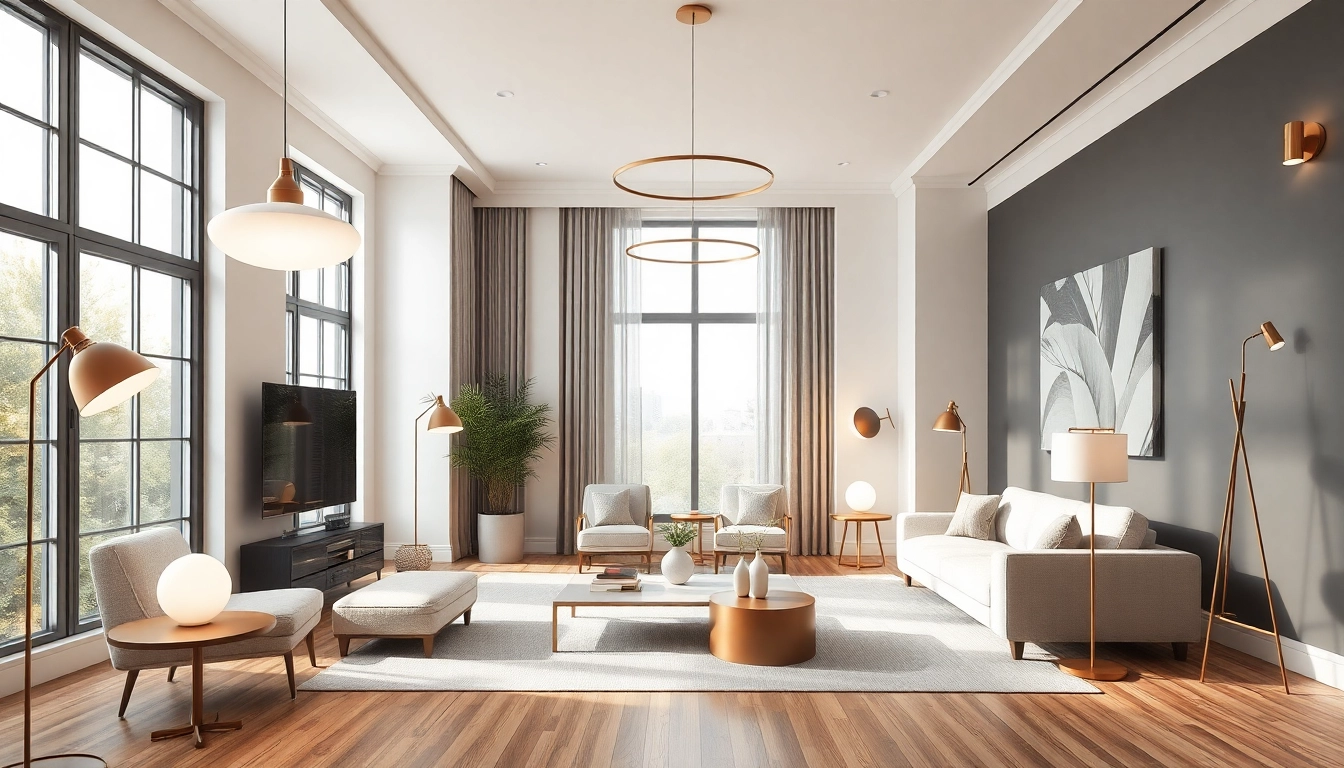
One of the most effective methods for creating an inviting and functional lighting design is through layering. This involves using multiple sources of lighting in a space—typically combining ambient, task, and accent lighting. When layered effectively, lighting can offer versatility, allowing spaces to transform from functional to relaxing simply by adjusting the fixtures used.
Energy Efficiency in Lighting Solutions
With growing awareness surrounding environmental impacts, energy-efficient lighting solutions have gained popularity. LED lights, for instance, are not only longer-lasting than incandescent bulbs but also consume significantly less energy. Implementing energy-efficient lighting contributes to sustainability efforts and reduces electricity bills, making it a win-win choice for many.
Integrating Smart Technology with Lighting
The integration of smart technology into lighting solutions has revolutionized how spaces can be illuminated. Smart lighting systems allow users to control their lights via mobile apps, adjust brightness levels, and set schedules for when lights turn on or off. This level of control enhances comfort and can lead to further energy savings, adapting to a homeowner’s lifestyle seamlessly.
Common Challenges with Lighting Solutions and How to Overcome Them
Addressing Insufficient Lighting Issues
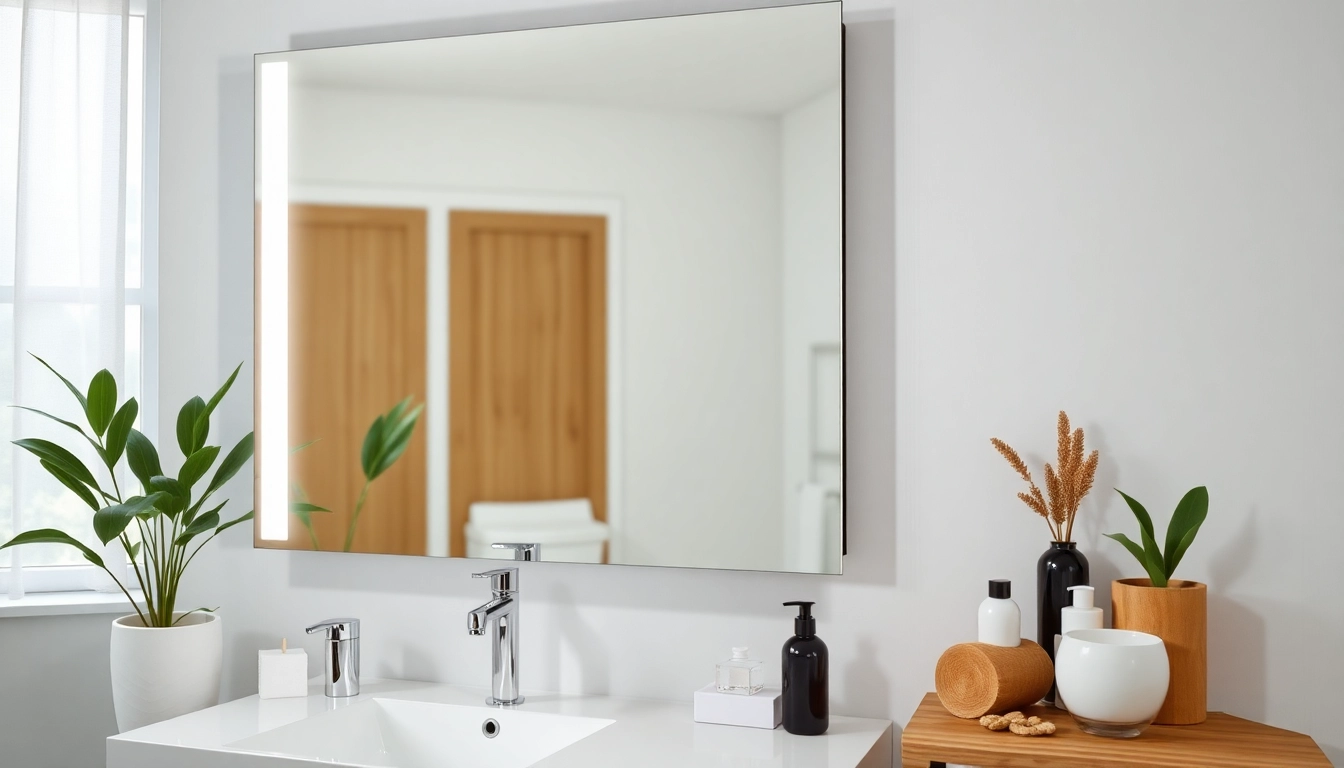
Insufficient lighting can be a significant challenge in many environments, leading to discomfort and decreased productivity. To combat this issue, consider incorporating additional fixtures or adjusting existing ones to enhance light distribution. Utilizing mirrors can also make a space feel brighter by reflecting light more effectively.
Dealing with Overhead Light Glare
Overhead light glare can cause discomfort and make it hard to focus. To minimize this, explore options such as diffused lighting fixtures that scatter light evenly. Incorporating shades, dimmers, or adjusting the light source’s placement can greatly diminish glare and create a more comfortable environment.
Finding Versatile Solutions for Various Activities
Every space usually serves multiple functions, making it challenging to find a one-size-fits-all lighting solution. Consider transition lighting systems or fixtures that can be easily adjusted in terms of intensity and direction. This adaptability allows areas to transform depending upon the activity at hand—be it reading, cooking, or entertaining.
Future Trends in Lighting Solutions
Sustainable and Eco-Friendly Innovations
One of the most crucial trends in lighting solutions is the shift towards sustainable and eco-friendly innovations. This includes the development of biodegradable materials for fixtures and the use of renewable energy sources. Brands are prioritizing eco-conscious designs that not only perform well but also support environmental efforts, demonstrating social responsibility.
The Rise of Smart Lighting Solutions
As technology advances, smart lighting solutions continue to grow in popularity. The ease of automation, remote access, and energy efficiency are pushing more people towards smart systems. Anticipated developments include improved integration with home automation systems, voice control capabilities, and AI-driven adjustments based on user preferences and habits.
Integrating Aesthetics with Functionality
The future of lighting solutions is about merging aesthetics with functionality. Designers are focusing on creating visually striking fixtures that perform effectively while enhancing the space’s overall look. This trend highlights the importance of beautiful design alongside meeting practical lighting needs.
Frequently Asked Questions
What are the primary types of lighting solutions available?
The primary types include ambient, task, accent, decorative, and natural lighting. Each serves different purposes in enhancing a space.
How can I make my lighting more energy-efficient?
Switch to LED lights, utilize dimmers, and install motion sensors or timers to reduce energy consumption and improve savings.
What is the best way to layer lighting in a room?
Combine ambient, task, and accent lighting to create depth, flexibility, and a well-balanced atmosphere, depending on the room’s use.
How do I address issues with inadequate lighting?
Consider adding more fixtures, adjusting the placement of existing lights, and using reflective surfaces to enhance the overall illumination.
What are the latest trends in lighting design?
Current trends include sustainable materials, smart technology integration, and the combination of functionality with aesthetic appeal in lighting solutions.