Understanding Precious Metal Tick Data API
In the fast-paced world of finance, the ability to access real-time data can make or break a trading strategy. For developers, trading platforms, and research institutions focused on forex and precious metals, leveraging a precious metal tick data API is essential for making informed decisions based on current market conditions. This article will delve deep into the intricacies of this API, exploring its features, benefits, and practical applications for developers and financial analysts alike.
What is a Precious Metal Tick Data API?
A precious metal tick data API is a specialized service that provides real-time and historical data related to precious metals such as gold, silver, platinum, and palladium. This API allows users to access minute-by-minute price changes, trends, and other crucial indicators that affect these markets. It is particularly valuable for developers and trading platforms, providing them with the tools needed to integrate this data into their applications efficiently.
Key Features of the API and Its Benefits
- Real-Time Data: Access to live market prices allows for immediate decision-making.
- Historical Data: Historical records help analysts study past trends and make forecasts.
- Technical Indicators: Integrated technical analysis tools assist traders in identifying market patterns.
- Market Depth: Insights into order books allow users to assess market liquidity and trading volume.
- Economic Calendar: Important economic events that could influence metal prices are tracked.
The combination of these features ensures that traders and developers can construct robust applications that provide users with accurate and actionable information.
Real-Time vs Historical Data: What Developers Need to Know
Understanding the distinction between real-time and historical data is vital for developers. Real-time data enables immediate analysis and trading, facilitating quick decision-making in a volatile market. Conversely, historical data offers context and a basis for understanding past market behaviors, allowing analysts to draw insights that can inform future strategies. When combined, these data types present a comprehensive view of market dynamics, empowering developers to create sophisticated tools for trading.
Implementation Strategies for Developers
Integrating a precious metal tick data API into trading systems or applications is both a critical and potentially complex task. Here, we outline essential strategies that developers can adopt to effectively utilize this API.
Setting Up Your Precious Metal Tick Data API Environment
Before integration, developers must set up a proper environment. This includes selecting the preferred programming language and environment (e.g., Python, Java, or JavaScript), setting up necessary frameworks, and ensuring access to the API documentation. Following the guidelines in the API documentation is crucial, as it provides detailed instructions for authentication, data requests, and response handling.
Common Challenges in Integration and Their Solutions
Developers may encounter several challenges when integrating an API, such as authentication issues, data parsing troubles, and connectivity problems. Solutions often involve thoroughly reviewing the API documentation, ensuring proper authentication keys are used, and implementing error handling to manage connectivity problems gracefully. Keeping an eye on updates from the API provider also helps mitigate these challenges, as improvements or changes can impact function.
Best Practices for Effective API Usage
- Optimize Requests: Minimize the number of requests by consolidating data needs to reduce load times and improve performance.
- Implement Caching: Store frequently accessed data to enhance speed and reduce unnecessary API calls.
- Monitor Usage: Keep track of API usage to avoid exceeding rate limits.
- Stay Updated: Regularly check for updates or changes in the API to take advantage of new features and enhancements.
By adhering to these best practices, developers can ensure a smoother integration and operation of the API, ultimately leading to improved user experiences.
Analyzing Market Trends with Tick Data
Tick data provides invaluable insights into market behavior, enabling traders to develop strategies that respond to real-time fluctuations. This section explores how to utilize the API for market analysis effectively.
Utilizing the API for Real-Time Market Analysis
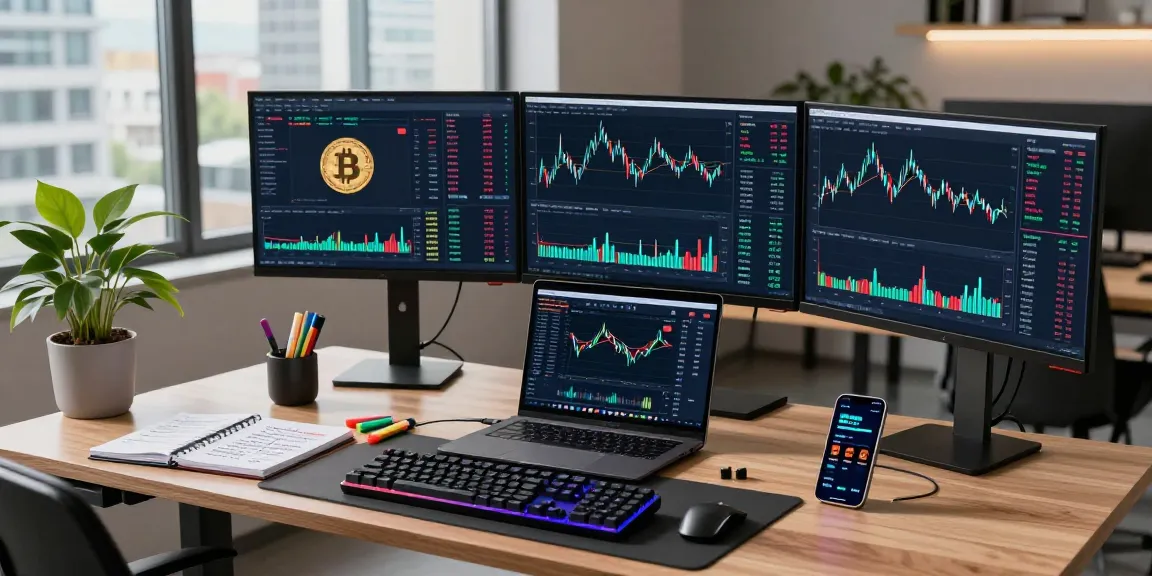
Real-time analysis involves using current market data to identify changes and trends as they happen. Developers can leverage the API to create dashboards that display live price movements and other key metrics. Such tools allow traders to react swiftly to market events, enhancing their ability to capitalize on favorable trading conditions.
Identifying Key Technical Indicators
Technical indicators derived from precious metal tick data can significantly influence trading strategies. Indicators such as moving averages, Relative Strength Index (RSI), and Bollinger Bands help traders gauge market momentum and price volatility. By incorporating these indicators into trading algorithms, developers can automate trading strategies that react intelligently to market signals.
Case Studies: Successful Applications in Forex Trading
Numerous trading platforms have successfully integrated precious metal tick data APIs to enhance their offerings. For instance, a popular trading app utilized such an API to provide its users with real-time alerts on price changes and market trends for gold and silver. Users reported increased trading efficiency and profits due to the immediate access to data and insights, showcasing the critical role these APIs play in competitive trading environments.
Future Trends in Forex Data APIs
The landscape of forex trading and data analysis is rapidly evolving. Understanding future trends helps developers and traders stay ahead in the market.
Innovations Shaping the Future of Forex Data
Emerging technologies like blockchain and advanced analytics are set to revolutionize how data is accessed and utilized in forex trading. The implementation of decentralized platforms can enhance data integrity, while advanced analytics can provide deeper insights into market trends and anomalies.
The Role of AI and Machine Learning in Data Analysis
Artificial Intelligence (AI) and machine learning are increasingly becoming integral to forex analysis. These technologies can identify patterns in vast datasets, making it easier for traders to predict price movements and optimize their strategies. As APIs evolve to integrate AI capabilities, developers can harness these tools to build highly sophisticated trading applications.
Implications for Developers and Financial Institutions
For developers, the future of forex data APIs presents exciting opportunities for innovation. Financial institutions must adapt to these advances by investing in the latest technologies and methodologies to remain competitive. As the market becomes more data-driven, those who can leverage real-time insights effectively will hold a significant advantage.
FAQ: Common Questions About Precious Metal Tick Data API
How can I access real-time forex data using the API?
Accessing real-time forex data typically involves registering for an API key or token, following setup instructions outlined in the API documentation, and making the appropriate data requests through designated endpoints.
What are the pricing options for the Precious Metal Tick Data API?
Most precious metal tick data APIs offer various pricing tiers, which can include free trials, subscription models, or pay-as-you-go plans depending on usage. It’s important to assess your specific data needs to choose the most suitable option.
Are there any limitations to using the API?
Common limitations may include rate limits on the number of requests that can be made per minute or hour, as well as restrictions on the data that can be accessed without a premium subscription.
What programming languages can be used with the API?
Precious metal tick data APIs are typically compatible with various programming languages, including Python, Java, and JavaScript, allowing developers to choose the language that best fits their application frameworks.
How does the API compare to competitor offerings?
When comparing APIs, consider factors such as data accuracy, latency, technical support, and the breadth of coverage offered. Evaluating these criteria helps ensure that you select an API that aligns with your trading objectives.