Understanding the Importance of a Chef's Knife
Every culinary enthusiast knows that a chef's knife is an essential tool in the kitchen. It's the workhorse of food preparation, designed to handle a variety of tasks efficiently. Whether you're mincing herbs, chopping vegetables, or slicing meats, the right chef's knife can make all the difference. Understanding how to choose a chef’s knife can elevate your cooking experience, enabling you to work with precision and confidence.
What is a Chef's Knife?
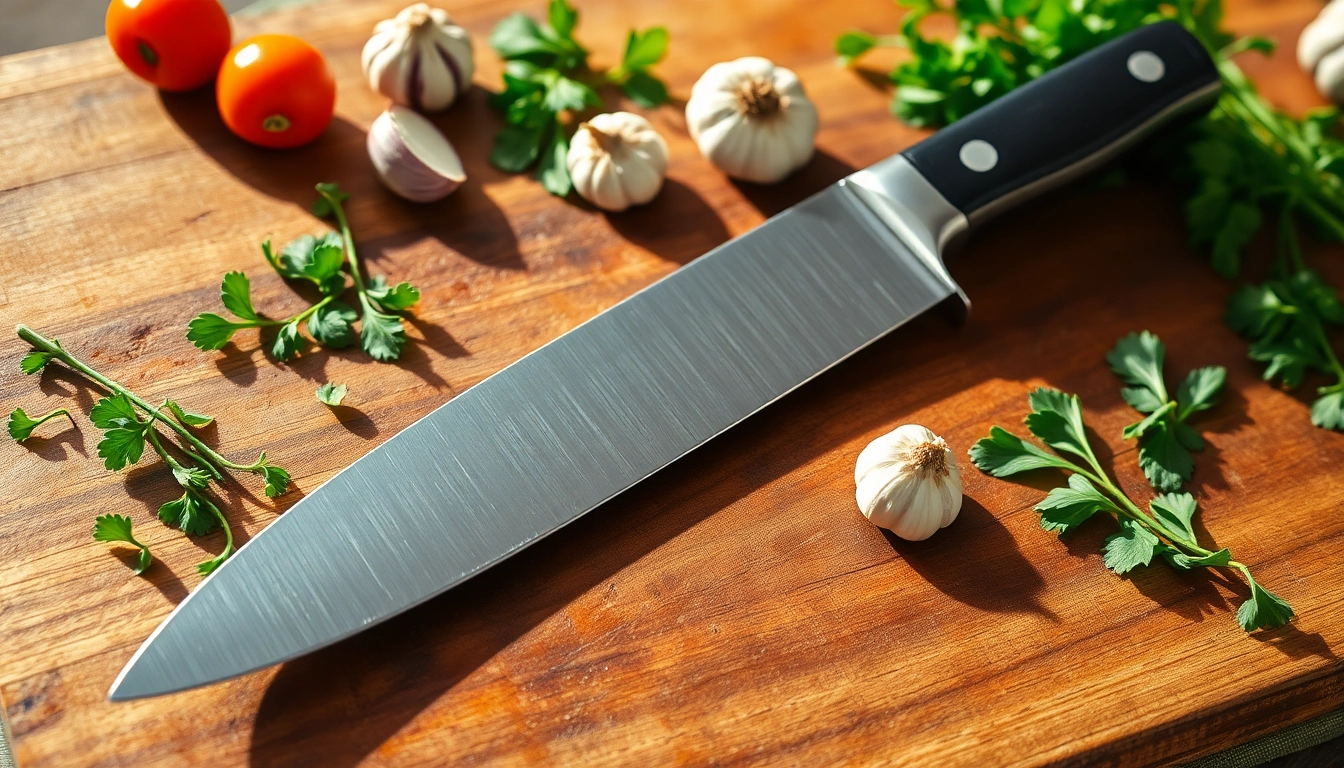
A chef's knife typically features a broad blade, usually between 8 to 10 inches long, with a tapered tip for a variety of cutting techniques. This versatile blade allows for smooth rocking motions as users chop or slice, making it ideal for a range of kitchen tasks. The design marries functionality with ergonomics, catering to both professional chefs and home cooks. Its ability to execute multiple functions sets it apart from specialized knives, ultimately making it a cornerstone of culinary preparation.
Why Invest in a Quality Blade?
Investing in a high-quality chef's knife offers several advantages. Primarily, quality knives are crafted from superior materials, resulting in enhanced durability and performance. Unlike lesser-quality knives that dull quickly and may require frequent replacements, a good chef's knife, when properly cared for, can last for years. Additionally, the comfort and balance offered by a well-made knife can reduce fatigue during extended periods of food preparation, improving not only efficiency but also the overall enjoyment of cooking. When you have a reliable tool, the kitchen becomes a more pleasant and productive space.
Common Mistakes When Choosing
Many individuals make mistakes when selecting a chef's knife that can lead to dissatisfaction. One common pitfall is choosing a knife based purely on aesthetics rather than functionality. Additionally, some cooks underestimate the importance of comfort and balance, which can dramatically alter ease of use. Another mistake is opting for a knife that is too heavy or too light for personal preference, which can impact control and effectiveness. It is crucial to take the time to evaluate and test various options before making a decision.
Key Characteristics to Consider
Blade Material and Construction
The material used for the blade can significantly affect performance. Chef's knives can be made from various materials including stainless steel, carbon steel, and ceramic. Stainless steel is popular for its resistance to rust and staining but may not hold an edge as well as carbon steel, which is sharper and more durable but requires more upkeep to prevent corrosion. Ceramic knives are lightweight and remain sharp for a long time but lack the versatility of metal blades. Understanding the pros and cons of each material helps in selecting a knife that fits your cooking style.
Knife Weight and Balance
The weight of a knife plays a critical role in performance. Heavier knives provide more cutting power but may cause fatigue, while lighter knives offer agility but can require more effort for tougher tasks. Balance is also vital; a well-balanced knife feels comfortable in hand and requires less effort to control. Many chefs prefer a knife that feels like an extension of their arm, which can greatly enhance their chopping experience.
Handle Design and Comfort
Knife handles come in various shapes and materials, including wood, plastic, and synthetic composites. The handle's design affects grip and comfort; thus, it’s essential to choose a knife that feels good in your hand. Some prefer a traditional bolster, which adds safety and control when cutting. Others might opt for a more modern design that emphasizes ergonomic shapes. Communities of culinary enthusiasts often suggest trying different handles to find the best fit for individual cooking styles.
Different Types of Chef's Knives
Classic Western Chef's Knife
The classic Western chef's knife features a broad, heavy blade with a pronounced curve, making it ideal for rocking motions. This style of knife is often favored for its versatility, suitable for chopping, dicing, and mincing a variety of ingredients. Chefs appreciate its robust nature, especially when preparing large quantities of food.
Japanese Gyuto Knife
The Japanese Gyuto knife is renowned for its thin, lightweight blade, which allows for precision slicing and a delicate touch. Unlike Western knives, which typically feature a more pronounced curve, the Gyuto has a flatter profile, making it excellent for precise cuts. It's an excellent choice for those who frequently work with vegetables and fish due to its agility and sharpness.
Alternative Styles and Shapes
In addition to the classic Western and Japanese styles, there are alternative knives that can fulfill specific needs in the kitchen. The Santoku knife, for example, is a versatile tool favored by many cooks, known for its wide blade and fluted edge, which prevents food from sticking. Similarly, the Nakiri knife is designed for chopping vegetables, offering a straight blade that excels at precision. Each knife's design caters to particular cutting styles, thus enhancing efficiency in specialized tasks.
Testing and Choosing Your Knife
In-Store Testing Tips
When it comes to selecting the perfect chef's knife, hands-on testing is crucial. Many culinary experts recommend visiting kitchen supply stores to physically handle knives. Pay attention to how the knife feels in your hand; does it feel comfortable? Can you maintain control? It's advisable to mimic cutting motions to evaluate the knife's balance and grip. A good knife should feel intuitive, allowing you to work efficiently without straining.
How to Hold and Use a Chef's Knife
Learning the correct way to hold a chef's knife is essential for better control and efficiency when slicing and dicing. The pinch grip, for instance, involves pinching the blade near the handle with your thumb and forefinger, allowing for more precise control. Practice this grip along with rocking motions to enhance your skill and confidence in using the knife. Remember, practice makes perfect, and familiarizing yourself with techniques will build your proficiency and speed.
Best Practices for Knife Care
To maintain your chef's knife in optimal condition, establish a consistent care routine. Proper washing involves hand washing with mild soap and ensuring thorough drying immediately after to prevent rust. Regular honing, using a honing steel, helps keep the edge aligned without removing significant material. Additionally, storing your knife safely in a block or sheath reduces the risk of dulling and damage, ensuring it remains your trusted kitchen companion for years to come.
Frequently Asked Questions
What size chef's knife should I choose?
Most cooks prefer an 8 to 10-inch knife for a balance of control and versatility. Beginners might find shorter knives easier, while longer ones offer increased cutting power.
How much should I spend on a chef's knife?
Quality chef's knives typically range from $50 to $300. It’s best to invest in a reputable knife that aligns with your cooking style for long-term satisfaction.
Is a brand important when choosing a knife?
While established brands can be a guiding factor, prioritize knife performance, comfort, and personal preferences over brand reputation alone.
How do I maintain my chef's knife?
Regular honing, immediate hand washing, and safe storage in a block or sheath are crucial for maintaining sharpness and extending your knife's lifespan.
Can I find a good chef's knife for beginners?
Yes, many entry-level chef's knives offer quality features without being overly expensive. Research and testing in-store will help you find a suitable option.