
Choosing the Best Home Security Cameras for Your Needs
Introduction to Home Security
Home security has evolved far beyond traditional locks and alarms. In today’s world, having a reliable Home Security system is essential for safeguarding your property, valuables, and loved ones. As technology continues to advance, homeowners now have access to a wide range of smart devices designed to monitor, protect, and alert them of any suspicious activity. Understanding how to choose the best home security cameras for your needs can make all the difference in creating a safer, more connected living space.
The Importance of Home Security
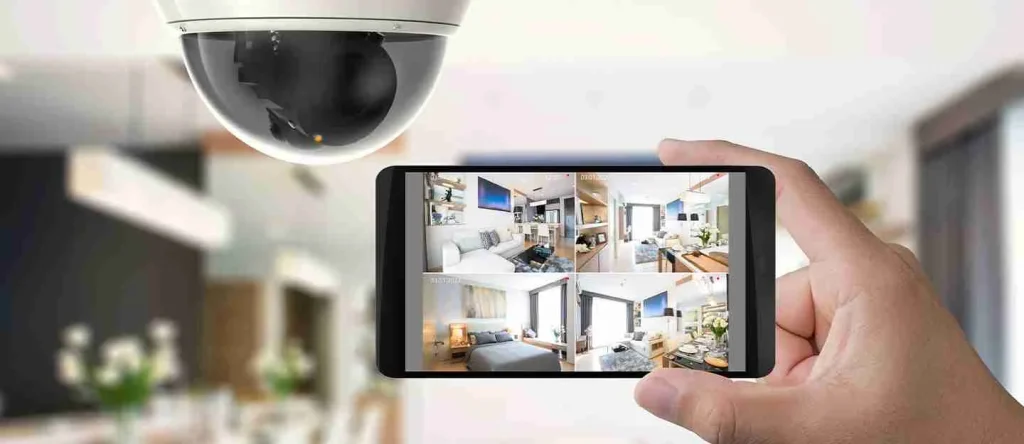
Home security plays a crucial role in ensuring peace of mind. It serves as a deterrent against intruders, provides real-time monitoring, and allows for quick emergency response. Whether you live in an urban apartment or a suburban home, investing in a comprehensive home security system minimizes risks associated with theft, vandalism, and property damage. Additionally, modern home security systems integrate with mobile apps, allowing homeowners to monitor their spaces remotely. This connectivity ensures that your property remains protected at all times.
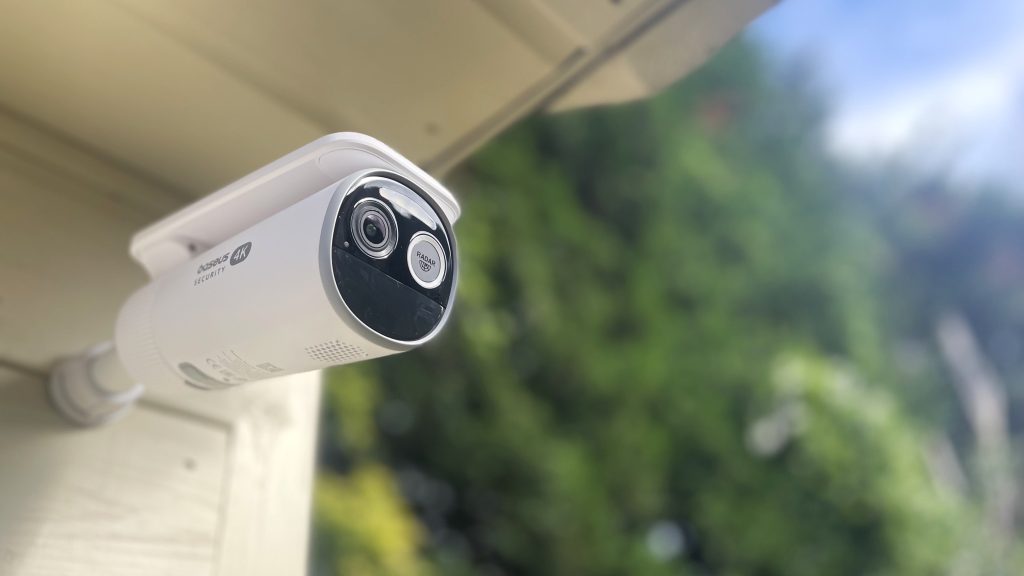
Understanding Different Types of Home Security Cameras
Choosing the best home security cameras depends largely on your individual needs and home layout. There are several types of home security cameras available today, each offering distinct advantages.
Indoor Security Cameras
Indoor cameras are designed for monitoring activities inside your home. They provide visibility into living areas, nurseries, and entryways. Many indoor home security cameras come equipped with motion sensors, two-way audio, and night vision. These features make it easy to communicate with family members or even pets while away.
Outdoor Security Cameras
Outdoor home security cameras are built to withstand various weather conditions and provide surveillance around the perimeter of your home. They often include features like waterproof casing, infrared night vision, and wide-angle lenses. Some models even have built-in sirens to scare off intruders before they reach your doors or windows.
Doorbell Cameras
Doorbell cameras have become one of the most popular additions to modern home security setups. They allow homeowners to see and speak to visitors via smartphone, even when they’re not at home. This added layer of convenience and security ensures that you never miss an important delivery or unexpected visitor.
Wireless vs. Wired Home Security Cameras
When selecting a home security system, one major decision is whether to go for wireless or wired options.
Wireless Home Security Cameras
Wireless home security cameras are easy to install and highly flexible. They connect through Wi-Fi, making them ideal for renters or homeowners who prefer a simple setup without drilling or complex wiring. These cameras are portable and can be easily repositioned to cover different areas. However, they rely on a stable internet connection and require battery maintenance or power adapters.
Wired Home Security Cameras
Wired home security cameras are typically more reliable for long-term use. They connect directly to a power source and network, ensuring consistent performance without interruptions caused by weak Wi-Fi signals. Although installation is more complex, wired systems often deliver higher-quality video feeds and are preferred for larger properties that require multiple cameras.
Key Features to Look for in Home Security Cameras
Selecting the right home security camera involves understanding which features will best suit your needs. Modern cameras come with a variety of advanced capabilities that enhance their performance.
Video Resolution
High-definition video quality ensures that details like faces and license plates are easily recognizable. Aim for cameras that offer at least 1080p resolution, though 2K and 4K models provide superior clarity.
Night Vision
Home security doesn’t stop when the sun goes down. Infrared night vision allows cameras to capture clear footage even in complete darkness, ensuring around-the-clock protection.
Motion Detection and Alerts
Advanced motion detection is a core feature of modern home security cameras. It helps reduce false alarms by differentiating between people, animals, and other movements. Real-time alerts sent to your smartphone enable quick responses to potential threats.
Two-Way Audio
Two-way audio lets you communicate directly with anyone on your property. This feature is particularly useful for answering doors remotely or warning trespassers that they are being recorded.
Cloud Storage vs. Local Storage
When considering home security cameras, storage options are important. Cloud storage offers the convenience of remote access and automatic backups, while local storage provides privacy and independence from monthly fees. Many advanced systems offer both for flexibility.
Smart Integration and Compatibility
Modern home security systems often integrate with smart home platforms such as Google Assistant, Alexa, and Apple HomeKit. This compatibility allows users to control cameras through voice commands and view live footage on smart displays. Integration with other smart devices like locks, alarms, and lights can create a fully automated home security ecosystem.
Top Brands in Home Security Cameras
When it comes to reliability and performance, a few brands consistently stand out in the home security market.
Arlo
Arlo is known for its wireless home security cameras with superior image quality, weatherproof design, and cloud storage options. Their models often feature advanced AI detection and long battery life.
Ring
Ring offers a comprehensive range of home security products, including doorbell cameras and complete alarm systems. Their ecosystem is ideal for homeowners looking for seamless smart home integration.
Nest
Nest cameras by Google are renowned for their intelligent alerts, crisp video quality, and integration with Google Home. They provide both indoor and outdoor solutions that prioritize ease of use and data security.
Eufy
Eufy focuses on privacy and local storage solutions while maintaining high-resolution video capture. Their systems are subscription-free, which appeals to homeowners looking to avoid recurring costs.
Blink
Blink home security cameras offer affordable yet efficient options for basic monitoring needs. With easy installation and long battery life, Blink is a solid choice for budget-conscious users.
DIY vs. Professional Installation
When setting up home security cameras, you can choose between DIY installation or professional setup.
DIY Installation
DIY home security cameras are popular because they are affordable and easy to install. Most wireless systems can be set up using an app and basic tools, making them accessible even for beginners. DIY setups are best for smaller properties or those who prefer flexibility.
Professional Installation
Professional installation ensures that every camera is strategically placed for maximum coverage. Experts handle wiring, configuration, and testing, saving time and guaranteeing reliable performance. This option is ideal for larger homes or multi-camera systems that require complex layouts.
Benefits of Investing in Home Security
The advantages of home security go far beyond protection.
Peace of Mind
Knowing that your home is being monitored 24/7 gives you peace of mind whether you’re at work or on vacation.
Crime Deterrence
Visible home security cameras discourage burglars from attempting break-ins. Most criminals avoid homes with visible surveillance systems.
Evidence Collection
In case of a security breach, recorded footage provides valuable evidence that can assist law enforcement and insurance claims.
Remote Monitoring
Homeowners can monitor their properties in real-time from anywhere in the world, thanks to smartphone integration.
Enhanced Property Value
Modern buyers often prioritize homes equipped with smart security systems, making your property more attractive and potentially increasing resale value.
Maintenance Tips for Home Security Systems
To ensure optimal performance, routine maintenance is essential. Clean camera lenses regularly, check battery levels, and update firmware to prevent vulnerabilities. Conduct system tests monthly to confirm that all devices are functioning properly.
Frequently Asked Questions
1. What are the best home security cameras for beginners?
For beginners, user-friendly options like Blink and Eufy offer easy installation, clear video, and mobile access without complicated setups or high costs.
2. Do home security cameras record all the time?
Most home security cameras can be set to record continuously or only when motion is detected, depending on user preferences and storage capacity.
3. How much internet speed do I need for home security cameras?
A minimum upload speed of 2 Mbps per camera is recommended for smooth streaming and clear video quality, especially for HD cameras.
4. Can I use home security cameras without a subscription?
Yes, many models offer local storage options using SD cards or network video recorders, eliminating the need for monthly cloud subscriptions.
5. Are wireless home security cameras reliable?
Yes, wireless home security cameras are reliable as long as your Wi-Fi connection is stable. They offer flexibility and easy installation for most homeowners.
Conclusion
Choosing the best home security cameras for your needs requires understanding your home layout, security priorities, and budget. Whether you opt for wireless flexibility or wired reliability, the goal remains the same—to protect your property and loved ones. By investing in a comprehensive home security system with advanced features like motion detection, night vision, and remote monitoring, you ensure that safety is always within reach. At Deep Dive Picks, we explore the latest innovations and trusted products to help you make informed decisions. With the right home security setup, you can enjoy peace of mind knowing your home is always protected. You can find more details on our homepage.