

Understanding and Managing Wildfire Events: Insights and Strategies
What Are Wildfire Events?
Definition of Wildfire Events
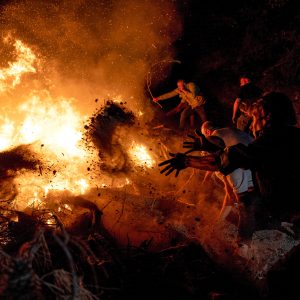
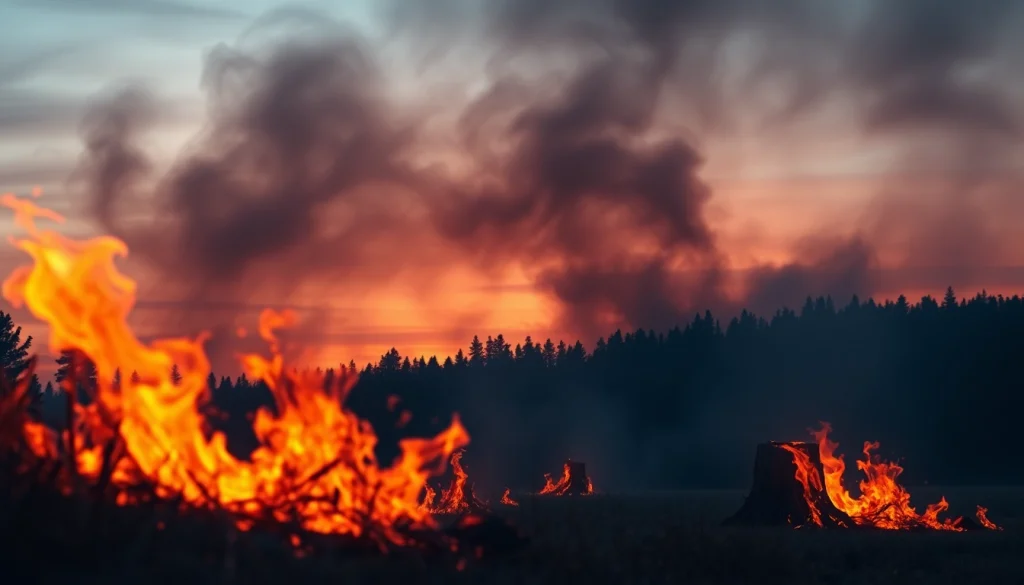
Wildfire events refer to uncontrolled fires that occur in forested or grassland areas, capable of causing significant destruction to the environment, property, and human life. These events can happen naturally due to environmental factors or be ignited by human activities. Understanding the dynamics of wildfire events is essential for effective management and mitigation efforts.
Natural vs. Human-Caused Wildfires
Wildfires can be categorized into two primary types: natural and human-caused events. Natural wildfires often occur due to lightning strikes or volcanic activity and play a crucial role in maintaining ecological balance. In contrast, human-caused wildfires may result from negligence, arson, or activities such as campfires and discarded cigarettes. This distinction is vital for implementing preventive measures and developing appropriate response strategies.
Key Characteristics of Wildfire Events
Wildfire events are characterized by several factors, including:
- Intensity: The energy released during a fire influences its spread and severity.
- Rate of Spread: This refers to how quickly a wildfire can move through vegetation, depending on fuel, weather, and topography.
- Duration: The length of time a wildfire burns can significantly impact the surrounding ecosystem.
- Size: The area affected by a wildfire, often categorized as small or large, can affect resource allocation for response.
The Impact of Wildfire Events on Ecology
Positive Effects: Ecological Balance
Interestingly, wildfire events can have positive ecological effects. Many ecosystems have evolved with fire as a natural process, relying on it to clear out dead vegetation and promote the growth of new plant species. Fires can enhance biodiversity by creating habitats for various wildlife, allowing for a greater variety of flora and fauna.
Negative Effects: Damage to Flora and Fauna
On the flip side, wildfire events can lead to devastating consequences for flora and fauna. Habitat destruction, loss of biodiversity, and alteration of ecosystems are common aftercyx wildfires. Sensitive species may face extinction, and the recovery of the ecosystem can take several years.
Long-Term Ecological Consequences
The long-term impacts of wildfire events can be severe. Soil degradation, loss of nutrients, and an increase in carbon emissions are just a few effects that can lead to prolonged changes in the landscape. Additionally, invasive species may thrive in post-fire environments, further threatening indigenous ecosystems.
Safety and Preparedness for Wildfire Events
Home Preparation and Firebreaks
To protect homes from wildfire events, it is crucial to prepare well in advance. Homeowners should create defensible space by clearing combustible materials from their properties, establishing firebreaks, and using fire-resistant building materials. Regular maintenance like trimming trees and maintaining landscaping helps reduce fire hazards.
Community Awareness and Training
Raising community awareness about wildfire risks is essential. Educational programs that inform residents about fire safety, prevention strategies, and responsive actions provide critical knowledge. Local governments can also arrange training sessions and drills to prepare residents for potential wildfire scenarios, enhancing community resilience.
Emergency Response Strategies
Effective emergency response strategies must be in place to manage wildfire incidents. This includes clear communication channels, well-defined evacuation routes, and coordinated efforts among firefighting agencies. Utilizing technology, such as drones and satellite imagery, can improve fire detection and suppression efforts, potentially saving lives and property.
Current Trends in Wildfire Events
Statistical Overview of Recent Events
A statistical overview of recent wildfire events reveals alarming trends. Many regions are experiencing an increase in the frequency and intensity of wildfires, with data showing that larger fires are becoming more common. These trends necessitate urgent examination and adaptation of firefighting and land management practices.
Climate Change and Its Influence
Climate change is a major contributing factor to the increase in wildfire events. Rising temperatures, prolonged droughts, and shifting precipitation patterns create ideal conditions for fires to ignite and spread. Understanding these factors is crucial in developing strategies to mitigate the impact of climate change on wildfires.
Innovations in Firefighting Techniques
Innovations in firefighting techniques continue to evolve, improving effectiveness and efficiency. Advanced technologies, such as predictive modeling and real-time mapping, enable firefighters to anticipate fire behavior and allocate resources effectively. Furthermore, the development of new fire-retardant materials and helicopters with specialized capabilities enhances overall firefighting efforts.
FAQs About Wildfire Events
What should I do during a wildfire event?
During a wildfire event, remain indoors with all windows and doors closed. If evacuation orders are issued, adhere to them promptly and evacuate the area to ensure your safety.
How can wildfires be predicted?
Wildfires are predicted using various methods, including weather forecasts, satellite imagery, and historical data. These tools help firefighters assess fire risk and respond adequately.
What role does weather play in wildfire events?
Weather conditions significantly influence wildfire events. High winds, low humidity, and dry temperatures are conducive to fire spread and intensity, making accurate weather forecasting essential for wildfire management.
Can wildfires be beneficial?
Yes, some wildfires are beneficial as they promote the regeneration of forests, help maintain health in ecosystems, and reduce overly dense vegetation, which can exacerbate fire risks later.
What is the impact of wildfire events on air quality?
Wildfire events can severely impact air quality due to the release of smoke and particulate matter. This pollution poses health risks, particularly for vulnerable populations, and can affect regions far from the fire’s originating point.
To explore more about Wildfire events, from their definitions to their ecological impact and safety measures.