

Reliable Solutions for Commercial Roofing Services to Protect Your Business
Understanding Commercial Roofing Services
What Are Commercial Roofing Services?
Commercial roofing services encompass a variety of essential tasks related to the installation, maintenance, and repair of roofs on commercial buildings. Unlike residential roofing, which typically focuses on homes, commercial roofing is tailored specifically for industrial, office, retail, and multi-family structures. This business-specific approach involves specialized techniques, materials, and a deep understanding of building codes and regulations.
A competent provider of commercial roofing services offers a comprehensive range that includes roof inspections, repair services, replacement, and installation of various roofing systems. These systems can vary significantly between commercial buildings, including options like flat roofing, sloped roofing, metal roofing, and more, each requiring distinct methodologies and adherence to specific safety standards.
Importance of Quality Roofing for Businesses
The quality of a commercial roof is critical for a business’s overall health and longevity. A well-maintained roof protects the interior of the building from elements like rain, wind, and snow while ensuring the safety of employees and clients. Moreover, a well-designed roofing system contributes to energy efficiency by regulating temperatures and preventing excessive energy costs. In many cases, poor roofing choices can lead to costly repairs, business interruption, or even legal penalties if safety regulations are breached.
Types of Commercial Roofing Materials
Commercial roofing materials must be chosen based on specific criteria such as durability, cost, aesthetic appeal, and the unique demands of the particular building. Here are some of the most common materials used in commercial roofs:
- EPDM (Ethylene Propylene Diene Monomer): A popular choice for flat roofs, EPDM is a synthetic rubber that offers excellent durability and weather resistance.
- TPO (Thermoplastic Polyolefin): Known for its energy efficiency, TPO is lightweight, reflective, and good for reducing cooling costs.
- PVC (Polyvinyl Chloride): Similar to TPO but often more expensive, PVC is exceptionally durable and offers superior resistance to environmental stressors.
- Metal Roofing: Available in materials like steel, aluminum, or copper, metal roofing systems are extremely durable and reflective, ideal for energy savings.
- Built-Up Roofing (BUR): This traditional method uses layers of asphalt and tar, providing a robust solution for flat roofs, especially in areas prone to severe weather.
- Modified Bitumen: Built on BUR technology, modified bitumen roofs offer advanced waterproofing thanks to a blend of asphalt and polymer.
- Tile and Slate Roofing: Though more commonly found in residential properties, ceramic, concrete, or slate tiles can also be utilized in commercial applications.
Evaluating Your Commercial Roofing Needs
Signs You Need Commercial Roofing Services
Identifying the right moment to seek commercial roofing services can save a business from costly repairs down the line. Key signs that may indicate the need for professional help include:
- Leaks or Water Stains: Puddles of water pooling on the floor or water stains on ceilings and walls suggest a compromised roof.
- Age of the Roof: If the roof is over 20 years old, regardless of material, it is advisable to have it inspected for potential issues.
- Visible Damage: Cracks, blisters, or missing sections indicate that the roof may need repairs or replacement.
- Increased Energy Bills: A sudden spike in energy costs may be attributed to poor insulation or leaks in the roofing system.
- Unexpected Debris: An accumulation of roof aggregates, such as shingles or gravel, in gutters or around the building may suggest detachment or failure.
Common Issues Faced by Commercial Roofs
Various factors can lead to common issues in commercial roofing systems, including:
- Weather Damage: Harsh weather conditions such as rain, snow, hail, and extreme heat can degrade roofing materials over time.
- Poor Installation: Hiring inexperienced contractors may result in improper installation, leading to premature failures.
- Neglect and Lack of Maintenance: Limited or no maintenance can result in roof deterioration, escalating repair costs.
- Inadequate Insulation: Poor insulation not only affects energy efficiency but can also lead to moisture build-up and subsequent damage.
Choosing the Right Type of Roof for Your Business
Choosing the right roofing type involves several considerations, including:
- Climate: Different materials perform better in specific weather conditions. For instance, TPO is excellent in warm climates due to its reflective surface.
- Building Structure: The architecture of the building will dictate suitable roofing materials; flat roofs typically require different materials than pitched roofs.
- Budget: Initial costs versus long-term expenses should be compared when selecting materials.
- Future Plans: Consider any future expansions or renovations which may impact roofing choices.
The Benefits of Professional Commercial Roofing Services
Cost-Efficiency of Professional Services
While hiring professional commercial roofing services may seem like a significant upfront investment, the long-term cost-efficiency cannot be understated. Professionals can predict potential issues through thorough roof assessments, allowing for proactive maintenance instead of reactive repairs. Furthermore, quality installations minimize the risk of future expenditures associated with leaks or damage caused by storms or pests.
Long-Term Durability and Maintenance
High-quality roofing materials and professional installations lead to greater durability. Professionals will make informed suggestions based on the best materials suited for the business’s specific circumstances. Regular maintenance checks and repair services keep the roof in top condition, helping extend its lifespan significantly.
Safety Standards in Commercial Roofing
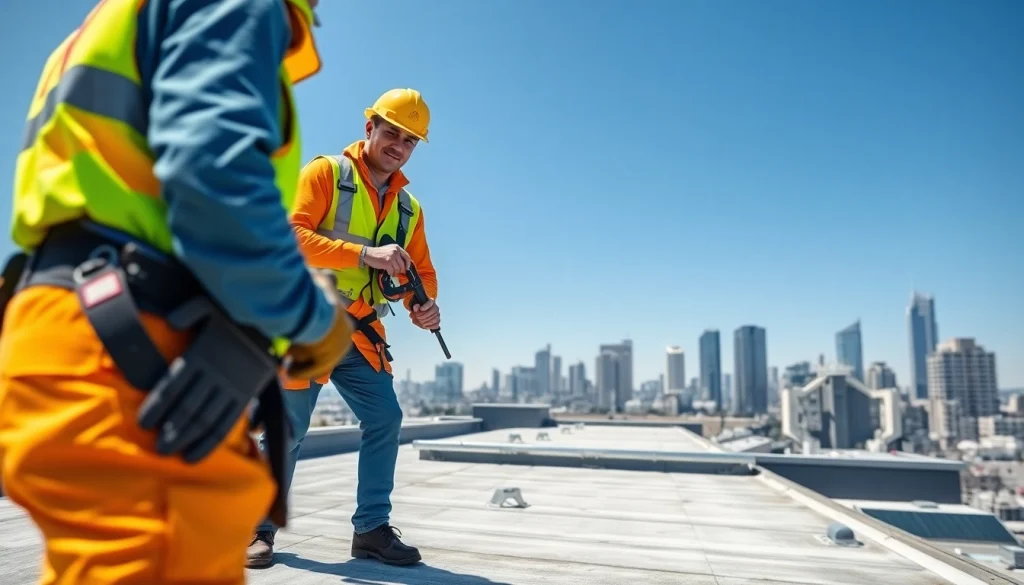
Approaching roofing projects without adequate knowledge of safety regulations can pose significant risks. Professional commercial roofing services maintain high safety standards, ensuring that workers comply with the latest occupational safety regulations, thereby protecting both employees and clients while minimizing liabilities.
Steps to Select a Commercial Roofing Contractor
What to Look for in a Roofing Company
Choosing a reliable contractor for your commercial roofing needs is vital for ensuring the best outcomes. Important elements to consider include:
- Experience: Look for a contractor with extensive experience in commercial roofing specific to your type of building.
- References: Requesting reviews or testimonials from past clients can provide insight into the contractor’s reliability and quality.
- Project Portfolio: Review their previous projects to gauge their expertise and craftsmanship.
- Services Offered: Ensure that they provide a full range of services, from installation to maintenance and repairs.
Evaluating Contractor Experience and Reputation
Researching the reputation of potential contractors is critical. This includes checking for any complaints lodged with local consumer protection agencies or business bureaus, as well as their standing within professional organizations. Contractors with a good reputation typically prioritize customer satisfaction.
Importance of Licensing and Insurance
Always ensure the chosen contractor is licensed and insured. Licensing signifies that they understand the legal requirements and building codes, while insurance protects both the contractor and your business from liability in the event of an accident or mishap during the project.
Maximizing the Life of Your Commercial Roof
Preventive Maintenance for Commercial Roofs
Regular preventive maintenance is indispensable for the longevity of your roof. This involves scheduling regular inspections, cleaning gutters, and addressing minor repairs before they develop into significant problems. Making a habit of these practices can dramatically extend the lifespan of your roofing system.
Seasonal Checklists for Roof Care
Conducting seasonal checklists can help you stay ahead of potential roofing issues. Key items to consider include:
- Inspecting roof penetrations, seams, and flashings for leaks.
- Checking that drainage systems are free from debris and functioning correctly.
- Monitoring for the growth of moss or algae, which may require treatment.
- Looking for signs of wear or degradation on exposed roofing materials.
Material Upgrades and Retrofits for Longevity
Investing in material upgrades or retrofitting existing roofing systems can significantly enhance efficiency and lifespan. Consideration of adding reflective coatings can improve energy efficiency, while additional insulation can help maintain temperature regulation inside buildings, leading to improved cost savings over time.