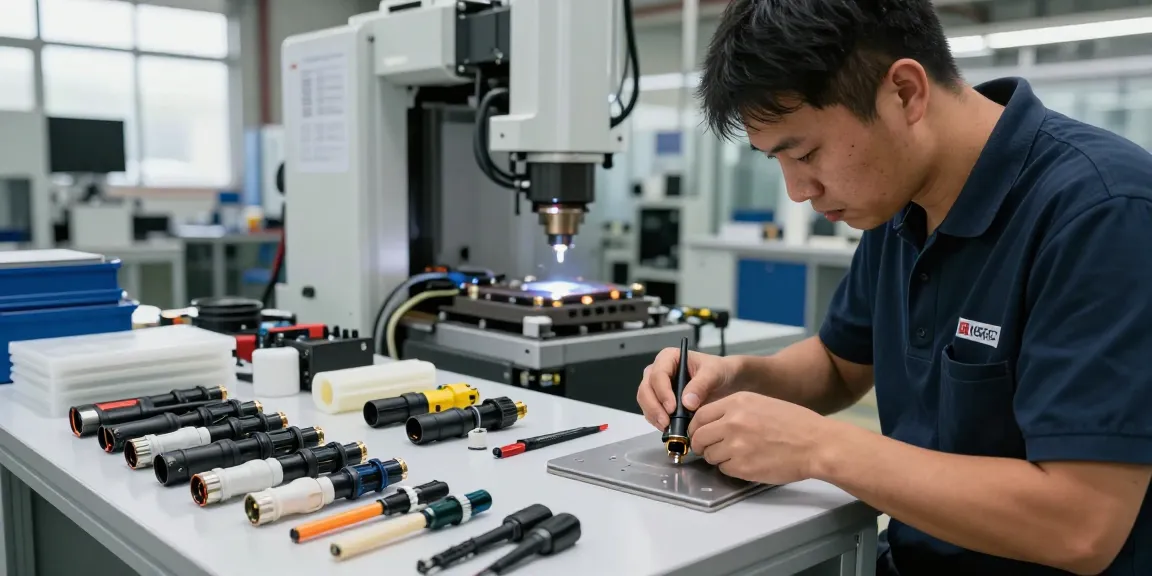
The Importance of Automotive Connectors in Modern Vehicles
In the dynamic landscape of modern automotive technology, the role of automotive connector cannot be overstated. These components serve as essential junctions in the complex electrical systems that power today’s vehicles, impacting everything from engine efficiency to passenger comfort. With advancements in vehicle design and technology, connectors must not only deliver reliability but also adapt to new requirements like increased data transmission rates and enhanced durability in adverse conditions. As we explore the various types, manufacturing processes, and best practices associated with automotive connectors, it becomes clear that these small yet mighty components play a pivotal role in ensuring vehicles operate seamlessly.
What is an Automotive Connector?
An automotive connector is a device used to connect electrical circuits within a vehicle. Typically composed of one or more terminals, insulators, and sometimes protective casings, connectors facilitate the flow of electricity between components, thereby enabling various functionalities within the vehicle. They are crucial for ensuring that electrical signals and power can be transmitted reliably, regardless of environmental conditions. Given their importance, connectors must meet strict industry standards for compatibility and performance, which is why manufacturers like LHE Terminal are dedicated to producing high-quality automotive connectors designed for both safety and performance.
Key Types of Automotive Connectors and Their Functions
Automotive connectors come in various forms, each designed for specific applications and environments. Here are some key types:
- Deutsch Connectors: These are widely used in high-performance applications where durability and environmental resistance are crucial.
- HDSCS Connectors: Known for their ease of use and reliability, these connectors are often found in automotive wiring harnesses.
- WPF Connectors: Ideal for applications requiring waterproof connections, these connectors provide protection against moisture and dust.
- AMPS SEAL Connectors: Designed for versatile applications, these connectors offer a robust sealing mechanism that enhances their reliability.
Role of Automotive Connectors in Electrical Systems
Automotive electrical systems are becoming increasingly complex, with an ever-growing number of components relying on effective connectivity. Connectors facilitate communication and power distribution between sensors, control units, and actuators. Their role is vital in various applications including:
- Power Distribution: Ensuring that vital components receive the necessary electrical power.
- Signal Transmission: Facilitating data exchange between electronic control units (ECUs) to optimize vehicle performance.
- Safety Features: Reliable connectors are crucial for the functionality of safety systems like airbags and anti-lock brakes.
Best Practices for Choosing Automotive Connectors
Selecting the right automotive connector can significantly impact the performance and reliability of vehicle systems. Here are some best practices to consider:
Evaluating Material Quality and Compatibility
When choosing automotive connectors, it’s essential to evaluate the materials used in their construction. Connectors made from high-quality metals such as copper or specialized alloys exhibit superior conductivity and corrosion resistance. Additionally, compatibility with vehicle wiring and components must be verified to ensure a secure fit and reliable operation.
Understanding Connector Ratings and Standards
Automotive connectors are rated based on their electrical and mechanical performance. Familiarizing oneself with these ratings, such as current capacity and voltage ratings, helps in selecting connectors that meet specific requirements. Moreover, adhering to industry standards like ISO and SAE ensures compliance with safety and performance benchmarks.
Common Mistakes to Avoid When Selecting Connectors
Some common pitfalls in connector selection include:
- Choosing connectors without considering environmental factors like temperature and moisture.
- Overlooking the importance of strain relief, which can lead to connector failure over time.
- Neglecting the need for compatibility with existing systems and components.
Innovative Manufacturing Processes for Automotive Connectors
The manufacturing processes for automotive connectors are evolving rapidly, driven by advancements in technology and automation. The focus on precision, efficiency, and sustainability has never been greater.
Advanced Technology in Connector Production
Modern manufacturing techniques utilize cutting-edge technologies such as machine vision automation and computer-aided design (CAD) to enhance production capabilities. These technologies facilitate precise stamping, welding, and assembly, resulting in connectors that meet high-quality standards.
The Benefits of Automation in Manufacturing
Automation in the production of automotive connectors offers numerous advantages, including:
- Increased Efficiency: Automated processes reduce production time and labor costs.
- Enhanced Consistency: Automated systems minimize human error, ensuring that each connector meets stringent quality specifications.
- Sustainability: Automation can lead to reduced waste and more efficient use of materials.
Quality Control Measures to Ensure Reliability
Robust quality control measures are critical in the manufacturing of automotive connectors. Techniques such as routine inspections, functional testing, and adherence to international standards like CE and RoHS help uphold product integrity. Companies like LHE Terminal implement rigorous quality assurance protocols to ensure their connectors perform reliably in various automotive applications.
Real-World Applications of Automotive Connectors
Automotive connectors are integral to numerous vehicle systems. Their application extends across many functionalities, showcasing their versatility and importance.
Case Studies in Automotive Connector Integration
One notable case is the integration of connectors in electric vehicles (EVs). EVs require highly efficient connectors that can handle significant power demands and maintain robust communication between the battery and motor systems. Utilizing specialized connectors allows for safe and efficient operation, which is critical in the rapidly growing electric vehicle market.
How to Implement Connectors in Wiring Harnesses Effectively
Proper implementation of connectors in wiring harnesses is essential for ensuring optimal performance. Key considerations include:
- Correct Pin Configuration: Ensuring that all connectors are correctly aligned and configured to avoid connectivity issues.
- Secure Mounting: Properly securing connectors to eliminate stress points that could lead to damage.
- Use of Strain Relief: Incorporating strain relief mechanisms can help prevent connector failure due to movement or vibration.
Challenges Faced in Automotive Connector Applications
While automotive connectors are indispensable, they are not without challenges. Issues such as environmental exposure, vibration, and electromagnetic interference can affect their performance. Continuous innovation and adaptation in design and materials are required to address these challenges effectively.
Future Trends in Automotive Connectors for 2026 and Beyond
The future of automotive connectors is set to be shaped by technological advancements and the shift towards sustainability.
The Shift Towards Sustainable Connector Solutions
As environmental concerns become more pressing, manufacturers are increasingly focusing on eco-friendly materials and production processes. This shift not only meets regulatory demands but also appeals to environmentally conscious consumers.
Emerging Technologies Impacting Connector Design
Technologies such as wireless connectivity and smart sensors are influencing connector design. The rise of autonomous vehicles will require connectors that can support complex data transmission and power management functionalities.
Predictions for Automotive Connectivity in the Next Decade
Looking ahead, the automotive industry will likely witness a surge in the demand for high-performance connectors that can meet the challenges of electrification and connectivity. Innovations in connector materials and designs will play a significant role in shaping the vehicles of tomorrow, ensuring they are equipped with the reliability and functionality needed in a fast-evolving market.
What are automotive connectors called?
Automotive connectors are often referred to by various names depending on their design and function, including terminators, junctions, or plugs. They are a vital component in electrical systems, connecting various elements crucial for vehicle performance.
What are the three types of connectors?
Electrical connectors are typically classified into three primary types based on their terminations: board-to-board connectors, wire-to-wire connectors, and wire-to-board connectors. Each type serves specific applications, playing distinct roles in automotive wiring and electrical systems.
What are the best automotive electrical connectors?
Determining the best automotive electrical connectors involves considering factors such as application, environmental conditions, and specific electrical requirements. High-quality connectors from reputed manufacturers often provide the best performance, ensuring reliability and safety.
How do I choose the right automotive connector?
Selecting the right automotive connector requires thorough evaluation of factors like material quality, environmental resistance, and compatibility with existing systems. Consulting with manufacturers can provide valuable insights into making the best choice for your specific application.
Why is quality assurance important in connector manufacturing?
Quality assurance is crucial in connector manufacturing to ensure that every component meets industry standards and performs reliably under various conditions. For more information, heavy duty waterproof electrical connectors offers valuable insights. Robust quality control processes minimize the risk of failure, thereby enhancing vehicle safety and performance.