


Brita vs Pur: Which Brand Offers the Best Value for Your Home?
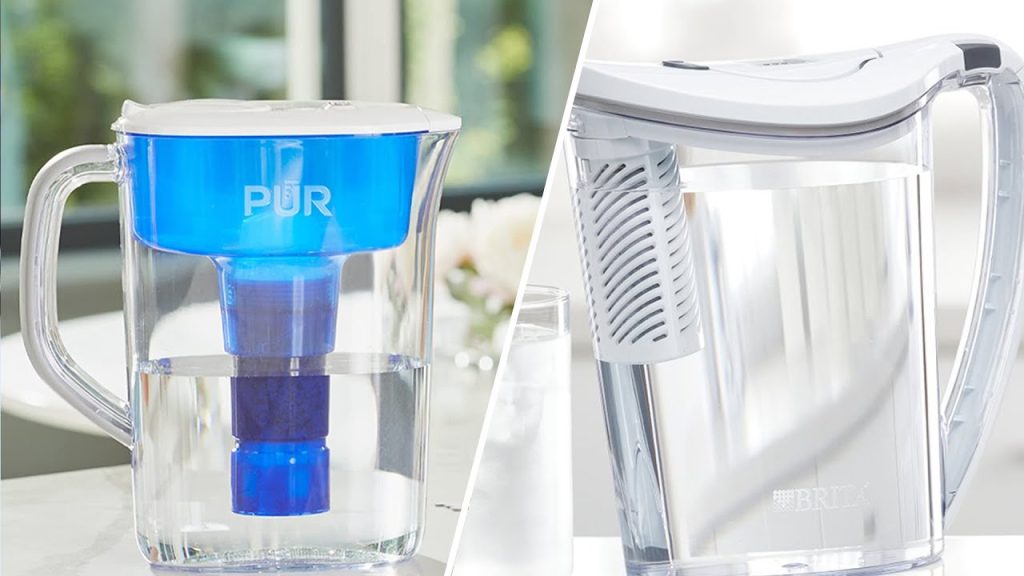
Clean water is essential for every household, but choosing between brita vs pur can be confusing. Both brands are popular for home filtration, yet they focus on different priorities. Brita emphasizes taste and mineral retention, while Pur focuses on removing more contaminants, including heavy metals. In this article, we will explore their differences in taste, filtration, filter lifespan, cost, and overall value to help you make the best decision.
Understanding the Brita vs Pur Debate
Choosing a water filter depends on your priorities, such as taste, safety, or cost. Brita focuses on improving taste while retaining beneficial minerals like calcium and magnesium. Pur prioritizes removing a broader range of contaminants, including lead and mercury, using ion exchange resin. Families concerned about heavy metals may prefer Pur, while those who enjoy mineral-rich water often choose Brita.
Filtration Performance Comparison
Pur Filter Capabilities
Pur filters reduce more contaminants, including heavy metals and chlorine. They also lower calcium and magnesium, making water softer but less mineral-rich.
Brita Filter Capabilities
Brita removes chlorine and some heavy metals but retains beneficial minerals, resulting in better taste and more natural water. A Denver household reported that Brita water tasted fresher, whereas Pur water felt slightly flat due to mineral reduction.
Taste and Drinking Experience
Taste is a major factor for many users. Brita water tastes smoother and fresher because it keeps essential minerals. Pur water is very clean but can taste less vibrant because the minerals are reduced. For people who enjoy drinking water directly from the pitcher, taste plays a critical role in their choice.
Filter Lifespan and Replacement Costs
Brita filters last around 40 gallons, roughly two months for an average household. Replacement filters are affordable and widely available. Pur filters last between 40 and 100 gallons depending on the model, but replacement costs are higher. Budget-conscious households may prefer Brita for long-term savings, while those focused on contaminant removal may find Pur worth the higher price.
Design and Ease of Use
Both brands are user-friendly, but they differ in design. Brita pitchers are lightweight, easy to fill, and have clear water level indicators. Pur pitchers sometimes include digital filter life indicators but are generally bulkier. Both designs are suitable for everyday use, but personal preference and counter space may influence your decision.
Environmental Impact
Both companies offer recycling programs for used filters. Brita provides a simple mail-in program, making recycling easy and accessible. Pur also encourages recycling, though the process may be less convenient depending on your location. Choosing a brand with a strong recycling program supports eco-friendly practices while maintaining clean water.
Price and Value for Money
When evaluating value, it is important to consider both the initial cost and long-term benefits. Brita offers affordable replacement filters, good taste, and mineral retention, making it ideal for households that prioritize flavor and cost-effectiveness. Pur provides advanced filtration, removing more contaminants and heavy metals, which may justify the higher price for families focused on maximum water safety.
A simple comparison shows that Brita performs well in taste, mineral retention, and affordability, while Pur excels in contaminant removal. Choosing the right filter ultimately depends on your priorities and household needs.
Health Considerations
Water quality is about more than contaminant removal; mineral retention matters as well. Brita retains essential minerals such as calcium and magnesium, which contribute to a balanced diet. Pur reduces most minerals significantly, which could affect households that rely on water as a source of dietary minerals. Balancing safety and nutritional value is an important consideration when choosing a pitcher.
Practical Scenarios for Choosing a Filter
Families with children may find Brita more suitable because its taste encourages drinking water. In regions with high levels of lead or other heavy metals, Pur provides an extra layer of protection. Budget-conscious households benefit from Brita’s low replacement costs, making it a sustainable choice over time. Understanding your household’s priorities ensures that the chosen filter fits your lifestyle.
Maintenance and Cleaning Tips
To keep your water pitcher functioning optimally, wash the pitcher every one to two weeks using mild soap and warm water. Rinse filters before first use to remove carbon dust, and replace filters according to the manufacturer’s recommendations. Proper maintenance prolongs filter life and ensures consistent water quality.
User Reviews and Experiences
Online reviews highlight different strengths of each brand. Brita users frequently praise the smooth taste and affordability of their water. Pur users often emphasize the peace of mind that comes with removing more contaminants. Some households choose to switch between brands depending on seasonal water quality or specific health concerns. Both brands have loyal users who appreciate their unique advantages.
Final Comparison of Brita and Pur
Brita performs well in taste, retains healthy minerals, and offers affordable filters. Pur provides superior contaminant removal, including heavy metals, though the taste can be slightly less appealing. Understanding your household priorities—taste, health, or cost—helps in choosing the right pitcher for your home.
Choosing the Right Filter for Everyday Home Use
When comparing brita vs pur for everyday home use, many families look at taste, cost, and long-term value. The brita vs pur debate becomes more important when households want consistent performance without overspending. As homeowners explore brita vs pur features, they often find differences in mineral retention, contaminant removal, and filter longevity. While researching brita vs pur choices, everyday users also consider how easy each system is to maintain. This practical look at brita vs pur helps buyers feel confident about which system fits their lifestyle.
Understanding How Filter Technology Affects Water Quality
A key part of choosing between brita vs pur is understanding how each filtration method affects real-world water quality. Many studies comparing brita vs pur show that PUR’s ion-exchange resin targets heavier contaminants more aggressively. However, the brita vs pur discussion also highlights how Brita maintains beneficial minerals that improve taste. When homeowners think about brita vs pur technology, they often weigh purity versus flavor. Real users comparing brita vs pur pitchers report noticeable differences in hardness, clarity, and smell. These insights make the brita vs pur decision more science-based and reliable.
Long-Term Value and Performance Based on User Experience
Long-term user experience plays a major role in the brita vs pur evaluation for most households. Many customers comparing brita vs pur mention that Brita filters usually last longer and cost less to replace. Others focusing on brita vs pur performance note that PUR’s stronger contaminant removal feels safer for older homes with outdated plumbing. When analyzing brita vs pur from a budget perspective, buyers often list yearly filter costs and durability. User reviews debating brita vs pur frequently highlight differences in maintenance effort and overall convenience. These long-term viewpoints help clarify the brita vs pur decision for new shoppers.
Conclusion
Choosing between Brita and Pur depends on your family’s water needs. Brita is ideal for those who value taste, mineral retention, and long-term affordability. Pur is better for households focused on maximum contaminant removal. Assessing your priorities and local water quality ensures you make the best decision for your home. Go back to the homepage to find fresh ideas and trending topics.
FAQs
Which is better for taste, Brita or Pur?
Brita retains minerals like calcium and magnesium, giving water a smoother and fresher taste compared to Pur, which reduces mineral content.
How often should I replace my Brita or Pur filter?
Brita filters last about two months or 40 gallons, while Pur filters can last between two and three months depending on usage. Regular replacement ensures clean and safe water.
Does Pur remove more contaminants than Brita?
Yes, Pur filters remove a wider range of contaminants, including heavy metals like lead and mercury, using ion exchange resin technology.